1

Connect With a Support Executive
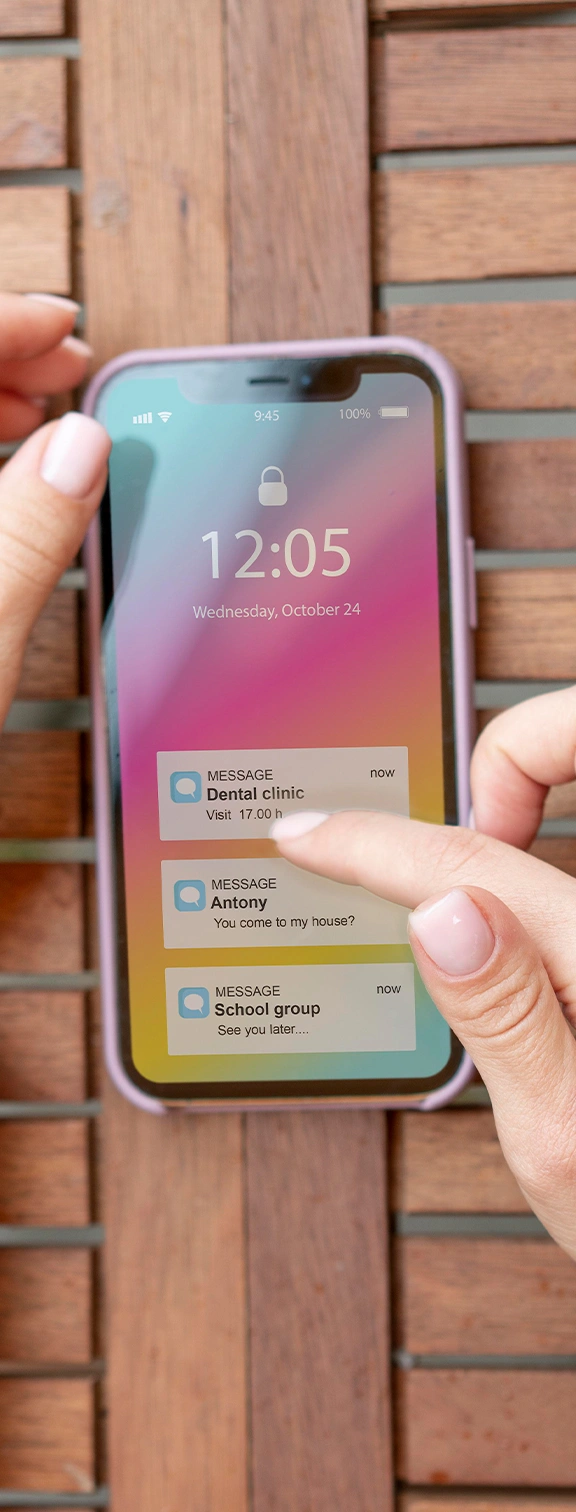
Start your session through a phone call or live chat and explain the alerts appearing on your smartphone.

A slow computer can be frustrating, especially when it affects your daily work, studies, or business tasks. Simple activities like opening files, browsing the internet, or starting your system can take longer than expected. The good news is that most performance issues have common causes and practical solutions. Understanding why your computer slows down is the first step toward fixing it and keeping it running smoothly.
Here are some common reasons your computer is slowing down:
When multiple applications run in the background, they consume memory and processing power. Over time, this overload makes your system respond slowly. Many programs also start automatically when you turn on your computer, even if you don’t need them right away.
How to fix it: Close programs you are not using and disable unnecessary startup applications through system settings or task manager.
Your computer needs free space to function properly. When the hard drive or SSD is almost full, the system struggles to manage files efficiently, which leads to slower performance.
How to fix it: Delete unused files, uninstall unnecessary software, and clear temporary files. Moving large files like videos or photos to external storage or cloud services can help as well.
Viruses, spyware, and unwanted programs often run silently in the background, using system resources and causing delays. These programs may also display ads or redirect your browser.
How to fix it: Install reliable antivirus software and run regular scans. Remove suspicious or unused applications and avoid downloading files from untrusted sources.
Old operating systems, drivers, or applications may not work efficiently with newer updates or hardware. This mismatch can result in slow performance, errors, or system crashes.
How to fix it: Keep your operating system and software updated. Updates often include performance improvements, bug fixes, and security enhancements.
Web browsers can consume a lot of memory, especially when multiple tabs and extensions are active. Heavy websites and add-ons slow down your system, particularly on older computers.
How to fix it: Close unused tabs, remove unnecessary extensions, and clear browser cache regularly. Consider using a lighter browser if performance issues persist.
Older hardware may struggle to keep up with modern software requirements. Limited RAM, an aging hard drive, or outdated processors can significantly affect speed.
How to fix it: Upgrading hardware, such as RAM or switching from a hard drive to an SSD, provides a noticeable performance boost. If upgrades are not possible, adjusting usage habits helps.
When a computer overheats, it may slow down to protect internal components. Dust buildup, poor ventilation, or constant heavy usage can cause overheating.
How to fix it: Clean air vents and fans, ensure proper airflow, and avoid placing your computer on soft surfaces that block ventilation. For laptops, cooling pads can be helpful.
If your computer remains slow after basic fixes, professional assistance can identify deeper issues such as hardware faults, system corruption, or advanced malware. Experts can optimize your system, recommend upgrades, and prevent future problems.
Consistent maintenance keeps your computer running efficiently and extends its lifespan.
A slow computer doesn’t always mean it’s time for a replacement. In many cases, simple adjustments and regular care can restore performance and make daily tasks smoother. By understanding the causes and applying the right fixes, you can enjoy a faster, more reliable system without unnecessary stress.
Z Switch helps remove repeated notifications, pop-ups, and alerts from your iPhone and Android smartphones. A technician checks settings and apps to stop repeated alerts and restore normal phone use.
This service helps stop unwanted notifications and alerts on your iOS and Android devices. It covers pop-ups, repeated app alerts, and unknown warnings. The technician checks app permissions, browser settings, and system activity to remove these alerts and prevent them from coming back.
Total Price: £129.99
Single Support Session
One-Time Service - No Recurring Charges
Covers Android phones and all iPhone models. App alerts, browser notifications, and system settings are checked during the session.
Get unnecessary alerts removed without visiting a store. The technician checks your smartphone during a live session and stops repeated notifications. You only pay after the session if the issue is resolved on your device.
Ready to Get Started?
Click on the Add to Cart button to get the service. Our technician will connect and assist you remotely.
£129.99
We provide remote assistance through phone calls and screen-sharing to stop repeated notifications on your iOS and Android devices. You stay connected while the technician checks settings and fixes the issue. You can also book a session from our website at your preferred time.
Start your session through a phone call or live chat and explain the alerts appearing on your smartphone.

Download the screen-sharing tool from our website to begin a one-time remote session with the technician.

The technician checks your phone, removes unwanted alerts, and confirms notifications are under control before ending the session.
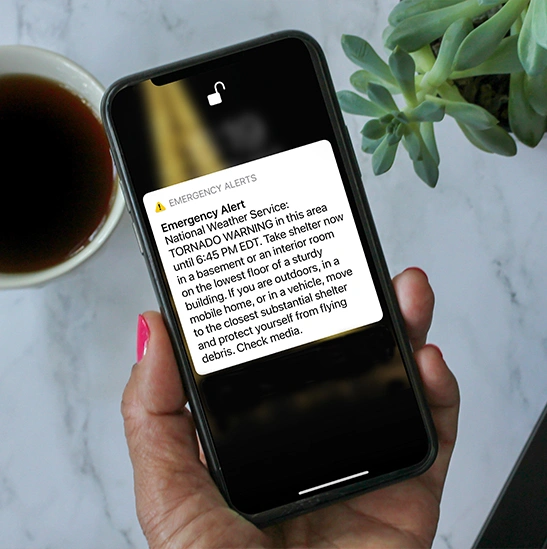
Unwanted notifications may come from apps, browser settings, or permissions that allow alerts without your knowledge on your iOS or Android smartphone.

Some applications send repeated alerts due to enabled permissions, which are reviewed and adjusted during the session.
Websites may send pop-ups or alerts if notification access is allowed, which is checked and removed.
Some alerts may return if apps are reinstalled or permissions are changed again after the session.
Z Switch provides remote phone assistance to stop unnecessary alerts so your device works without repeated interruptions.
Note: Early checks help reduce repeat alerts and keep your phone free from unwanted notifications.
Start a service session and have your iOS or Android device checked to reduce repeated notifications.
This may happen due to app permissions or browser settings that allow alerts. These are checked and adjusted during the session.
Yes, most alerts relate to settings or permissions, which can be reviewed and fixed during a remote session.
Both apps and websites can send notifications. The technician checks both sources to stop unnecessary alerts.
No, only repeated alerts are removed. Important notifications remain active based on your preference.
Most issues are resolved within 15 to 30 minutes during the session, depending on the source of alerts.
Alerts may return if permissions are enabled again or apps are reinstalled. The technician guides you to avoid this.
Unwanted Notifications and Warning in Phone
£129.99
Support
Need immediate technical help? Provide your details below and our team will connect you with an available technician.