1

Schedule Your Session
Choose a suitable time and connect with our technician through a phone call, email, or contact form.

A slow computer can be frustrating, especially when it affects your daily work, studies, or business tasks. Simple activities like opening files, browsing the internet, or starting your system can take longer than expected. The good news is that most performance issues have common causes and practical solutions. Understanding why your computer slows down is the first step toward fixing it and keeping it running smoothly.
Here are some common reasons your computer is slowing down:
When multiple applications run in the background, they consume memory and processing power. Over time, this overload makes your system respond slowly. Many programs also start automatically when you turn on your computer, even if you don’t need them right away.
How to fix it: Close programs you are not using and disable unnecessary startup applications through system settings or task manager.
Your computer needs free space to function properly. When the hard drive or SSD is almost full, the system struggles to manage files efficiently, which leads to slower performance.
How to fix it: Delete unused files, uninstall unnecessary software, and clear temporary files. Moving large files like videos or photos to external storage or cloud services can help as well.
Viruses, spyware, and unwanted programs often run silently in the background, using system resources and causing delays. These programs may also display ads or redirect your browser.
How to fix it: Install reliable antivirus software and run regular scans. Remove suspicious or unused applications and avoid downloading files from untrusted sources.
Old operating systems, drivers, or applications may not work efficiently with newer updates or hardware. This mismatch can result in slow performance, errors, or system crashes.
How to fix it: Keep your operating system and software updated. Updates often include performance improvements, bug fixes, and security enhancements.
Web browsers can consume a lot of memory, especially when multiple tabs and extensions are active. Heavy websites and add-ons slow down your system, particularly on older computers.
How to fix it: Close unused tabs, remove unnecessary extensions, and clear browser cache regularly. Consider using a lighter browser if performance issues persist.
Older hardware may struggle to keep up with modern software requirements. Limited RAM, an aging hard drive, or outdated processors can significantly affect speed.
How to fix it: Upgrading hardware, such as RAM or switching from a hard drive to an SSD, provides a noticeable performance boost. If upgrades are not possible, adjusting usage habits helps.
When a computer overheats, it may slow down to protect internal components. Dust buildup, poor ventilation, or constant heavy usage can cause overheating.
How to fix it: Clean air vents and fans, ensure proper airflow, and avoid placing your computer on soft surfaces that block ventilation. For laptops, cooling pads can be helpful.
If your computer remains slow after basic fixes, professional assistance can identify deeper issues such as hardware faults, system corruption, or advanced malware. Experts can optimize your system, recommend upgrades, and prevent future problems.
Consistent maintenance keeps your computer running efficiently and extends its lifespan.
A slow computer doesn’t always mean it’s time for a replacement. In many cases, simple adjustments and regular care can restore performance and make daily tasks smoother. By understanding the causes and applying the right fixes, you can enjoy a faster, more reliable system without unnecessary stress.
Z Switch helps you fix hosting problems that affect your website performance, uptime, and email. We resolve these issues so your website runs properly and stays reliable.


This service includes help with resolving hosting-related problems such as slow website speed, downtime, server errors, and email issues. We check your hosting setup, server performance, and configuration to restore website stability and improve overall performance.
Total Price: £ 99.99
Single Service Session
One-Time Service – No Recurring Charges
Covers hosting issues related to websites, servers, and business emails. It works across all hosting providers and platforms.
Get your hosting issue handled through a simple process without delays. You stay updated at each stage while our team works on your request. We also check your website speed, uptime, and email after the fix to ensure everything runs smoothly.
Ready to Get Started?
Click on the Add to Cart button to get the service. Our technician will connect and assist you virtually.
£99.99
Share your hosting problem with our team, provide the required details, and get it resolved within a set time frame.
Choose a suitable time and connect with our technician through a phone call, email, or contact form.

Describe your hosting problem clearly and give the required access so our team can fully understand the issue.

Our team works on your hosting issue within 24 to 72 hours and ensures your website and email are working before handover.
Many website owners face hosting issues that affect speed, uptime, email delivery, and overall website stability.

Many owners sign up for hosting because of a "$1.99/mo" teaser rate, only to be blindsided later. Those promo prices usually require a 3-year commitment upfront. When that term ends, the renewal rate often jumps by 300% to 500%.

Issues faced in shared hosting, where your website gets affected by High Traffic or Spamming sites on the same servers as your website.

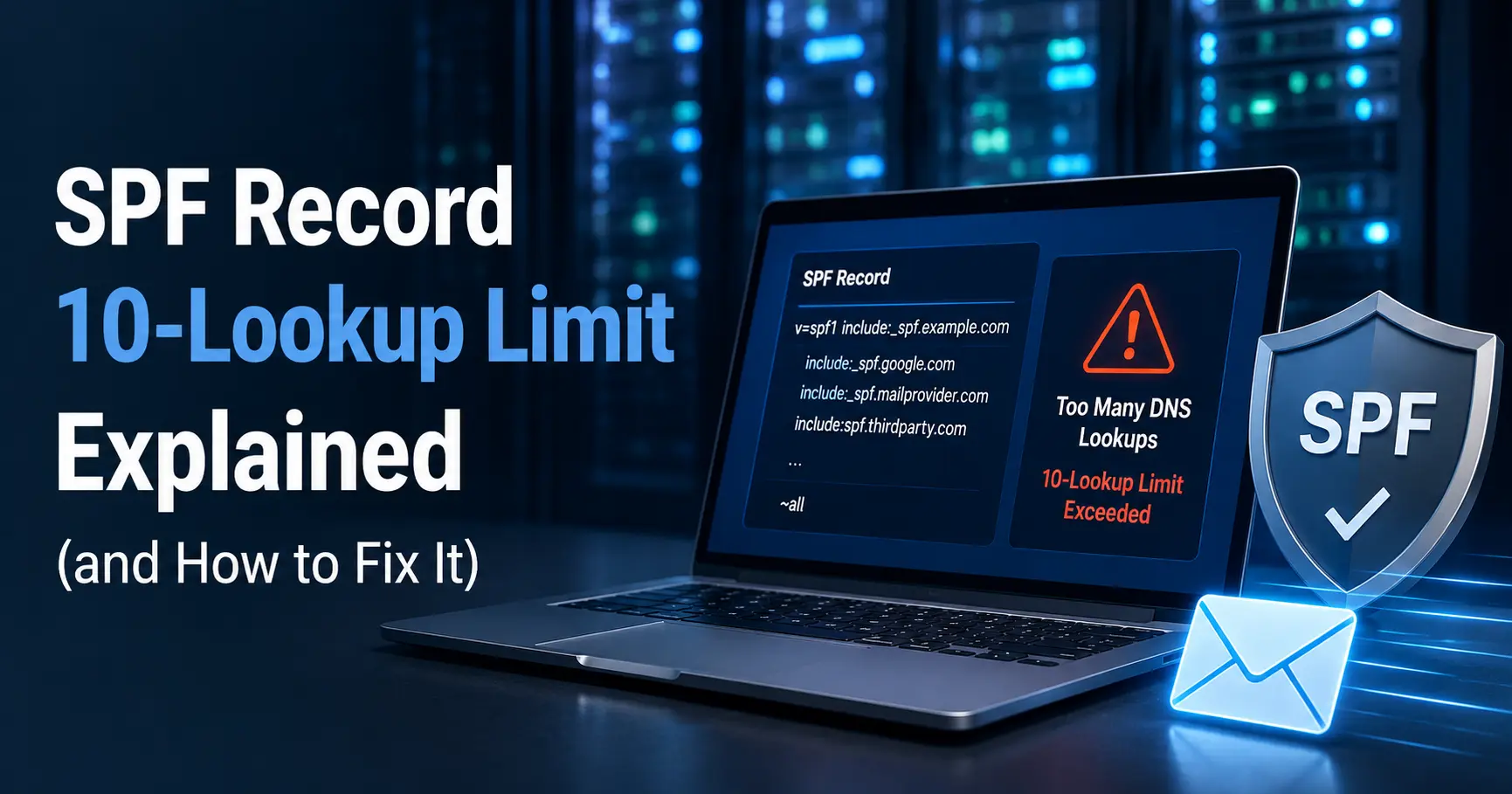
New owners often use the "Free Email" that comes with their hosting, only to find their business emails landing in their customers' spam folders. If someone else on your shared server sends spam, the entire server's IP address gets blacklisted by Gmail and Outlook. Major email providers now strictly require SPF, DKIM, and DMARC records to be set up in your hosting dashboard.

New owners often use the "Free Email" that comes with their hosting, only to find their business emails landing in their customers' spam folders. If someone else on your shared server sends spam, the entire server's IP address gets blacklisted by Gmail and Outlook. Major email providers now strictly require SPF, DKIM, and DMARC records to be set up in your hosting dashboard.

Owners often assume their host is backing up their site automatically, only to discover the truth during a crisis. Many hosts only keep "system-wide" backups for their own disaster recovery, not for restoring an individual user's site. Others charge a "restore fee" of $100+ just to get your data back.

Hosting issues often appear without warning and may affect your website speed, uptime, or email delivery. Z Switch corrects the configuration so your website runs properly.

Your website receives the correct server resources, so other websites on the same server do not affect performance.
We adjust email records and configuration so business emails reach inboxes instead of spam folders.
A stable hosting configuration protects website performance, reduces downtime risk, and keeps business communication reliable.
Z Switch helps businesses resolve hosting problems with careful analysis and clear solutions. Our goal is stable website performance and reliable email communication.
Note: A correct hosting setup protects website speed, uptime, and email reliability for your business operations.
Do not let hosting problems slow down your website or affect your business. Get the right solution so your website runs smoothly again.
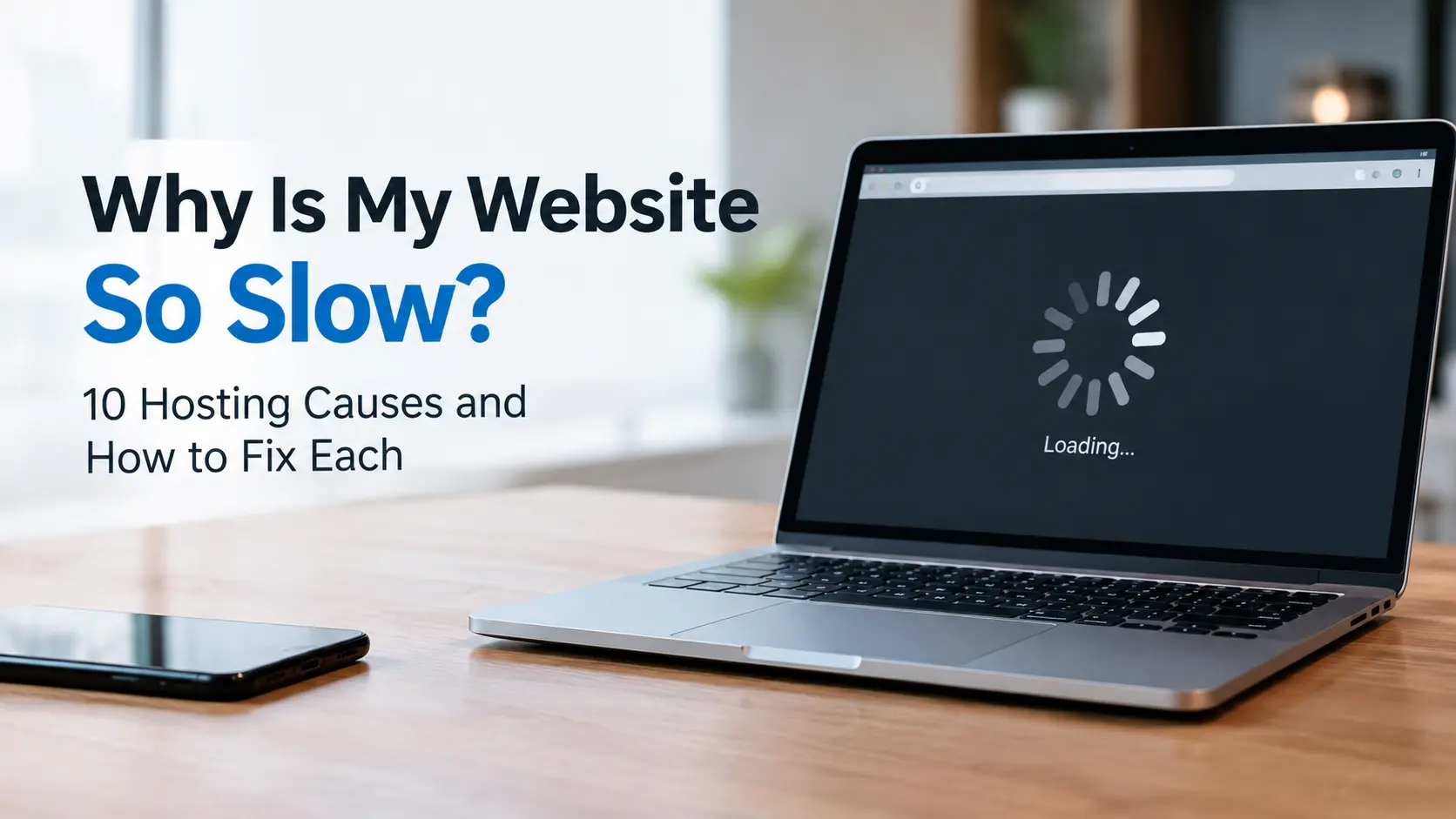
Your website may be slow due to shared server usage, high traffic on other sites, or poor server configuration. These factors can affect loading speed and overall performance.
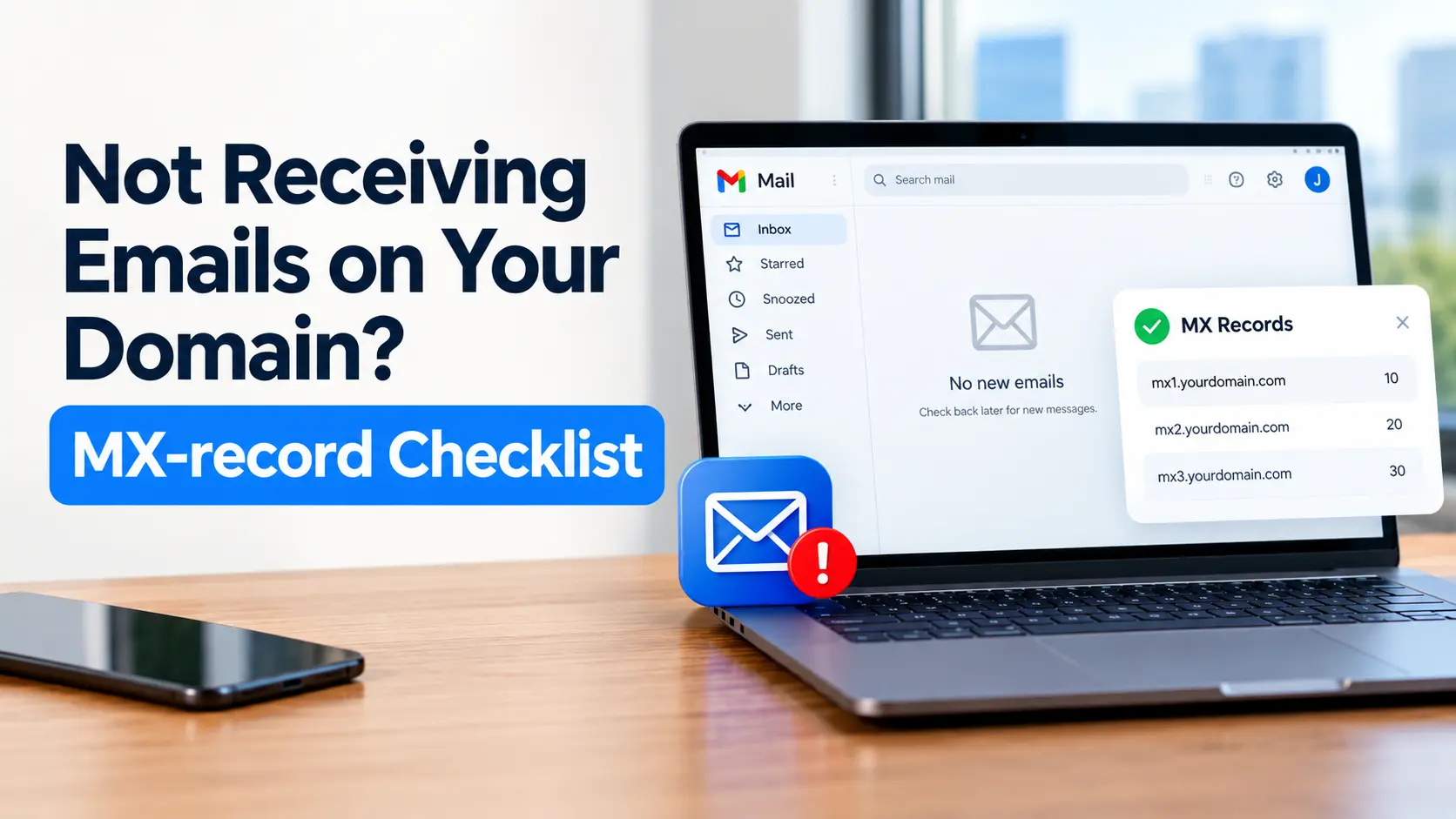
This usually happens when proper email records are not set, or the server has a poor reputation. Missing SPF, DKIM, or DMARC records can also cause this issue.
Yes. In shared hosting, your website shares resources with other sites. If other websites use more resources or send spam, it can affect your site's performance.
Not always. Some providers only keep limited backups or charge extra for restoring data. It is important to check your backup settings properly.
Many providers offer low prices at the start. After the initial term, the renewal cost increases, which can be much higher than the original price.
Knowledge Base & Guides
Hosting Related Issues
£99.99
Support
Need immediate technical help? Provide your details below and our team will connect you with an available technician.
Select additional comprehensive care packages for your devices
Item added successfully